Chronometers, the ultimate must-have in timekeeping

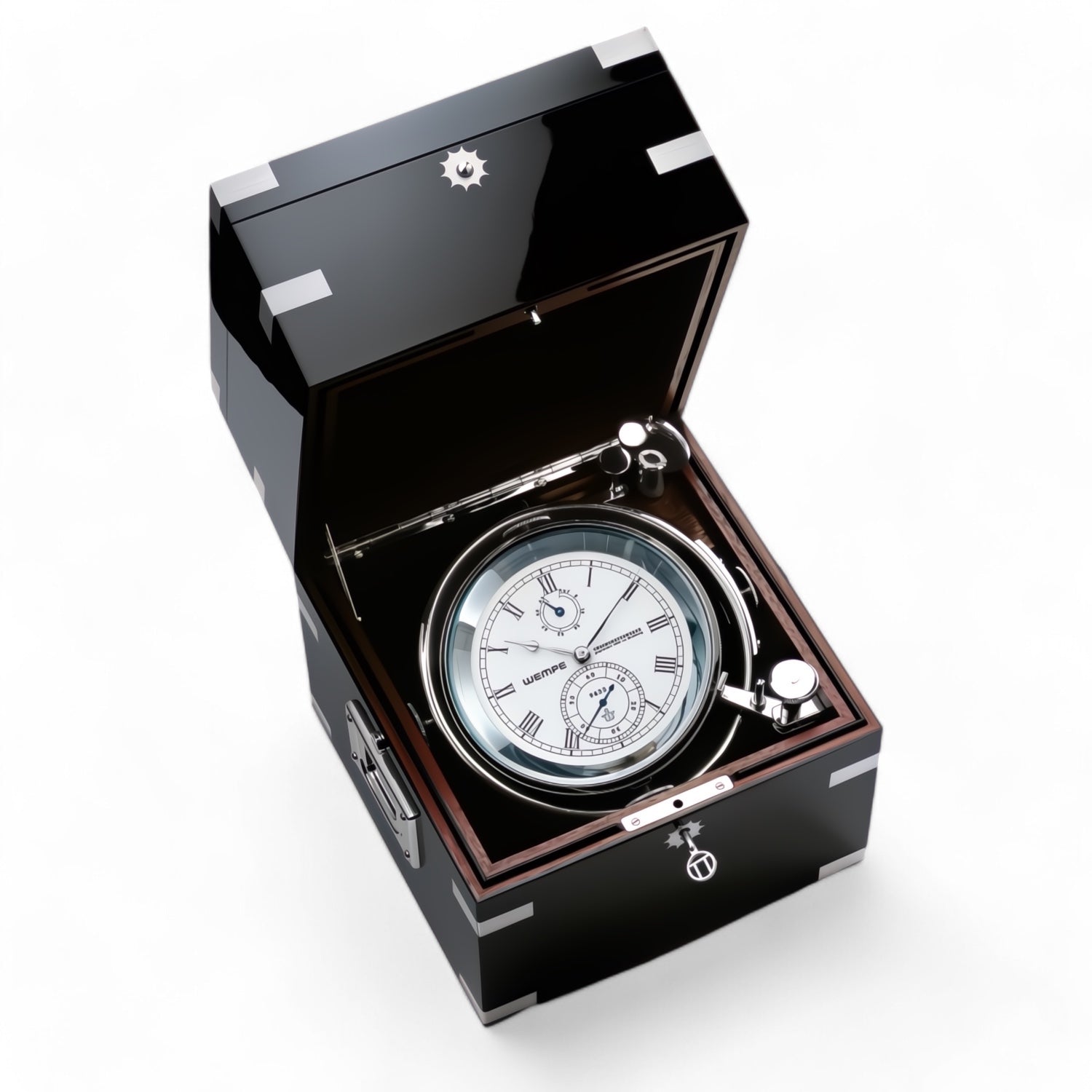
A chronometer is more than a ship's clock. It is an instrument designed to measure time with extreme accuracy under all conditions. Originally developed for sea navigation, the chronometer is known for its exceptional precision and reliable operation, even in the presence of vibration, moisture, and temperature differences.

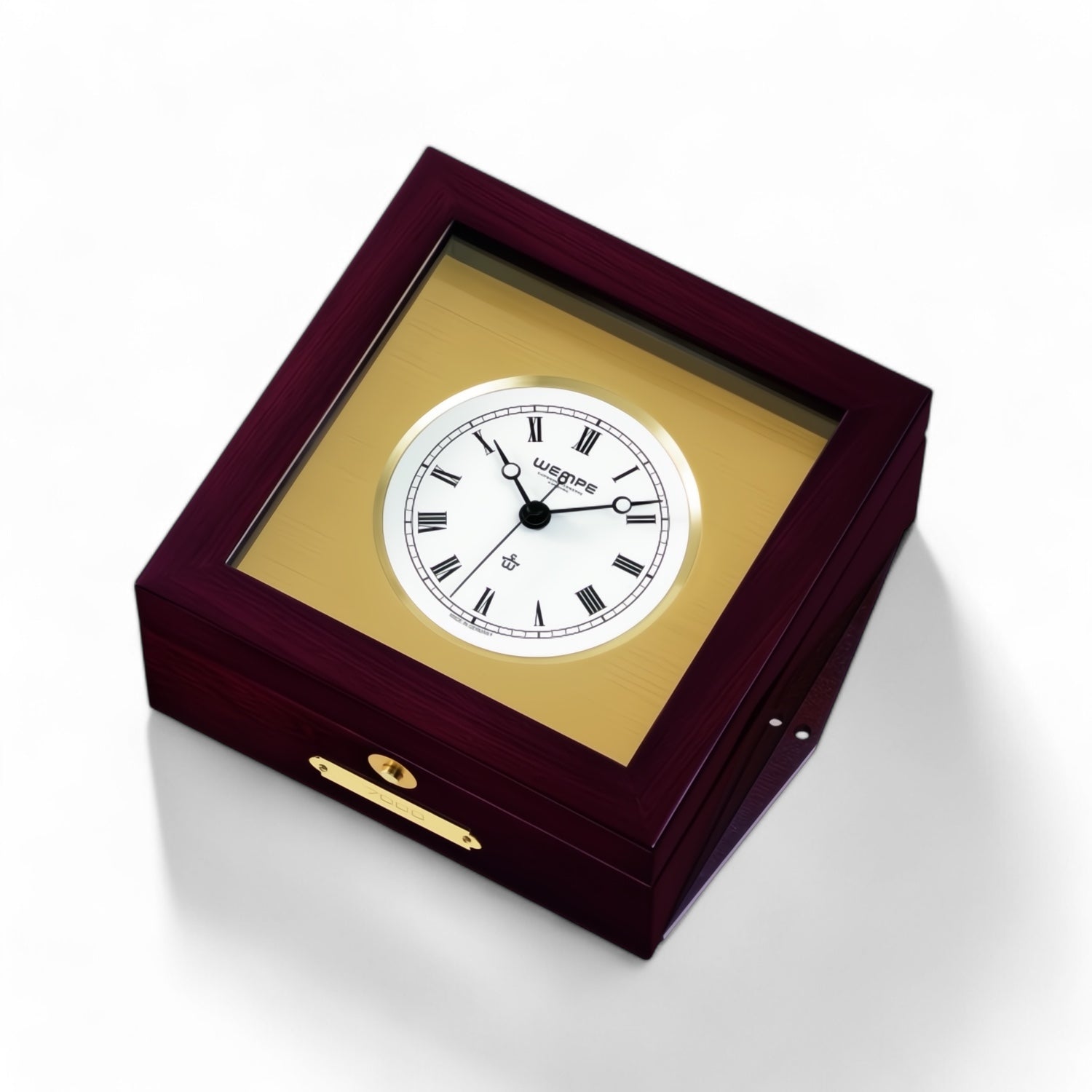
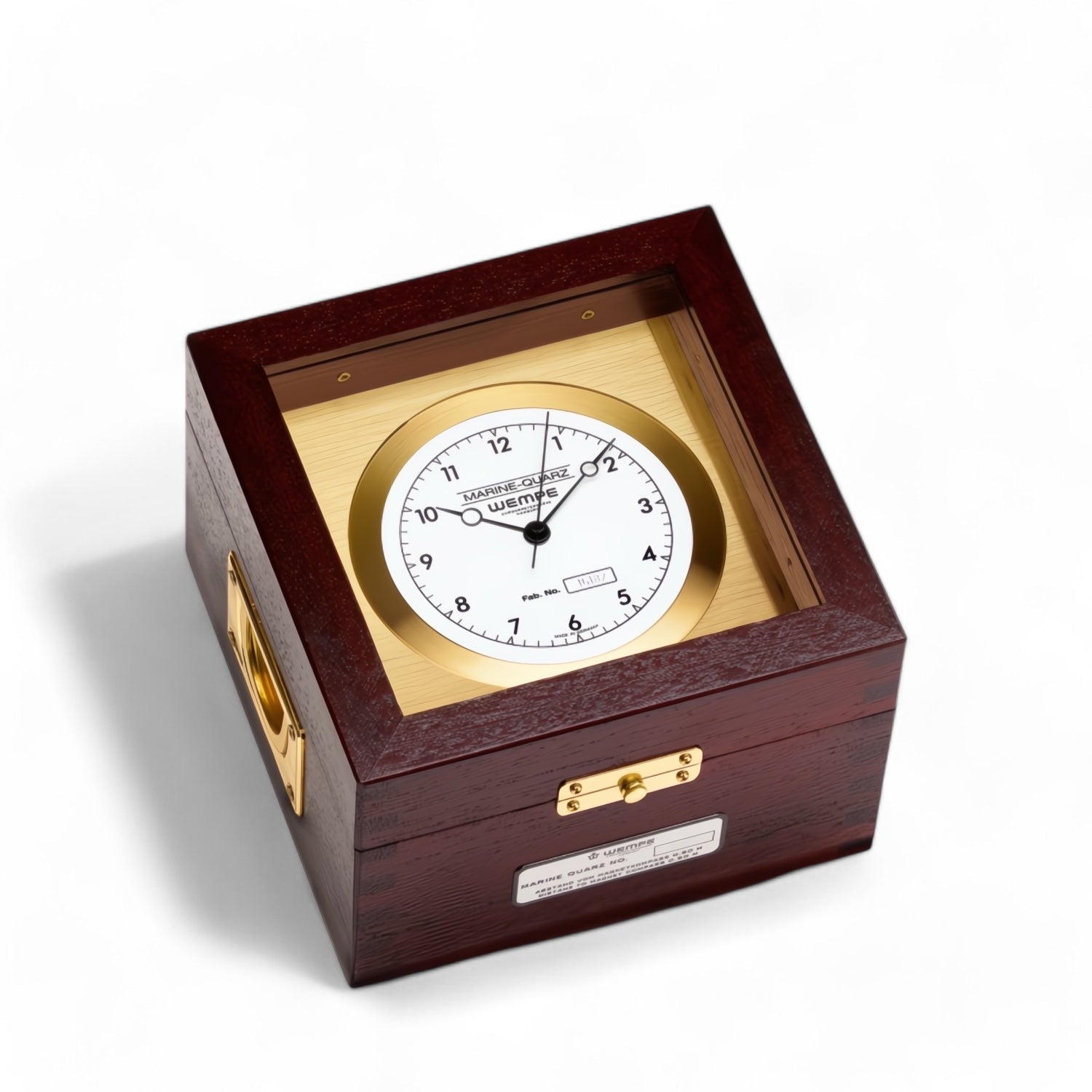
A distinguishing feature is its classic wooden casing, which houses the instrument. This box, often made of mahogany or mahogany-finished wood, protects the mechanism and ensures the chronometer always remains balanced.

Today, a chronometer is valued not only for its nautical function but also for its aesthetic appeal. Whether used on board or as a stylish maritime object at home, the instrument exudes craftsmanship, history, and precision.

Thus, a chronometer is no ordinary clock, but a time-measuring instrument with character crafted for those who value accuracy and maritime tradition.


Filter and sort

6 products

0 selected

0

29.750,00

0 selected
0 selected
0 selected
0 selected

Colour
Miami_tafel_en_regisseursstoel_II_deluxe_met navy kussens op luxe boot
The complete table collection
Shop now

A collection for every race, discover them all

Frequently Asked Questions

A chronometer is the perfect timepiece for those who love adventure and precision. A chronometer is a highly accurate timepiece specifically designed for maritime conditions. They provide reliable timekeeping, essential for navigation and course-setting at sea. Moreover, chronometers have an elegant design, making them a valuable addition to both your boat and your interior. Presented in a beautiful wooden box, often with brass or chrome accents, it's a gift of sentimental value, a truly rewarding gift.

Maintaining a chronometer is simple, but it does require some care. Make sure the clock is wound regularly and kept clean. Store the clock in a stable, dry place to prevent excessive fluctuations. Periodic maintenance by a specialist will ensure its accuracy is maintained.

The chronometer was originally developed in the 18th century to measure time accurately during long sea voyages. This instrument was essential for navigation, particularly for determining longitude. Thanks to the invention of the chronometer, sailors could more accurately plot their course, making long-distance voyages possible.

There are several types of mechanisms, two of which we offer at Studio Maritime. A mechanical movement, which works with a winding system, is typical for classic ship clocks and traditional clocks. It requires manual winding, usually every 7-8 days. A quartz movement, on the other hand, requires batteries, is highly accurate, and requires little maintenance.

When purchasing a chronometer, it's important to consider its accuracy, finish, and brand. Choose a model suitable for your intended use (such as on a boat or at home), and consider the casing materials, such as brass or stainless steel, for durability. Ensure the chronometer is also easy to maintain for long-term use.