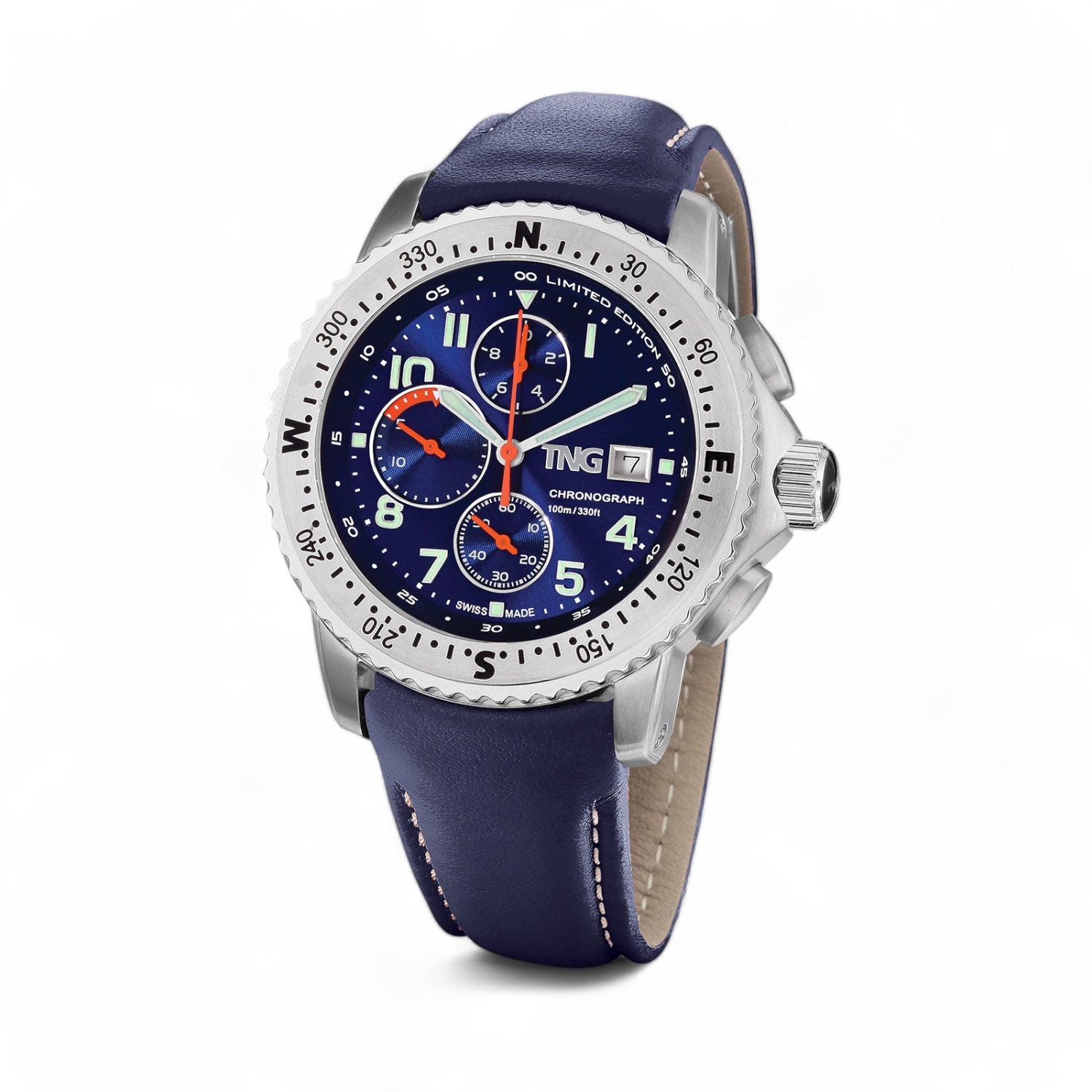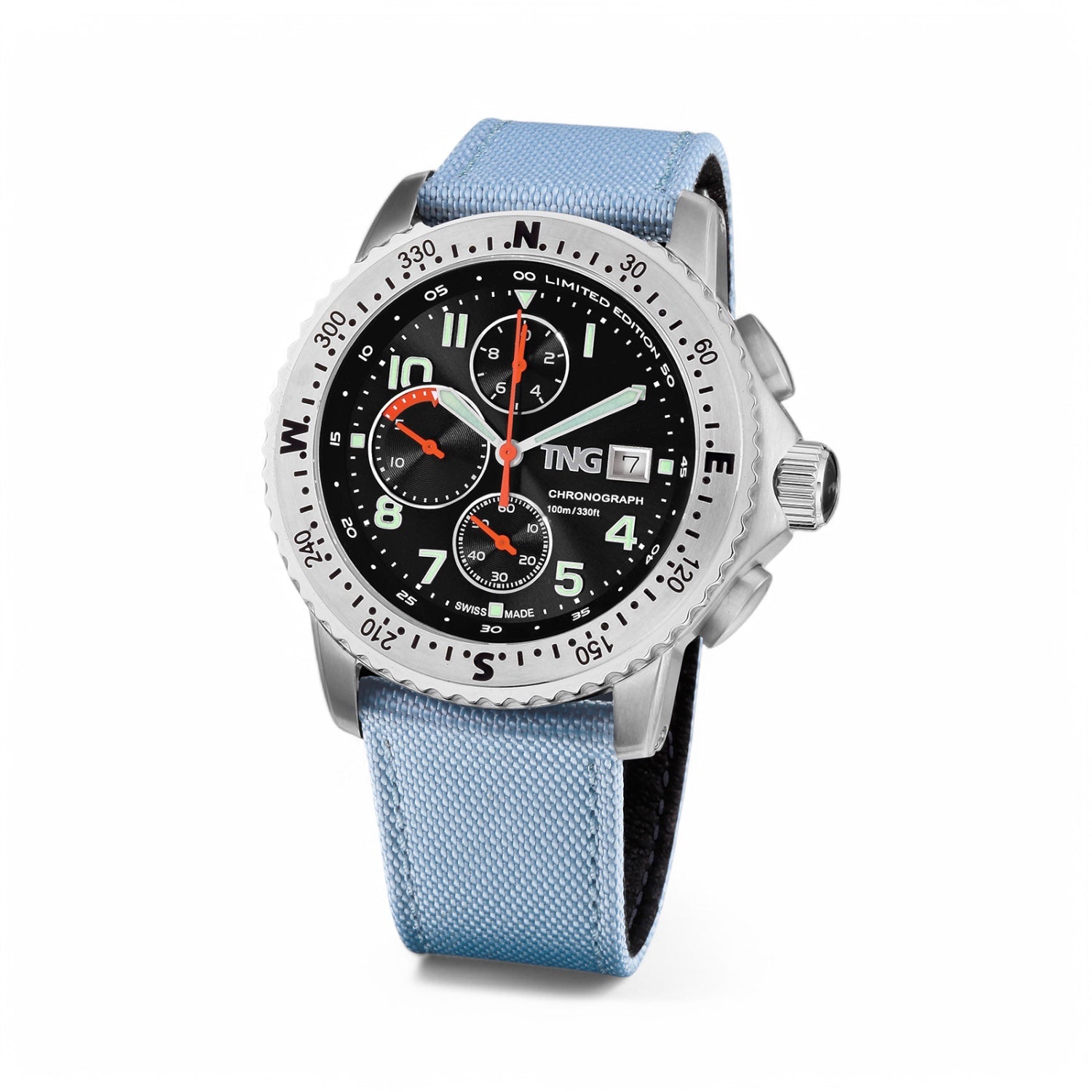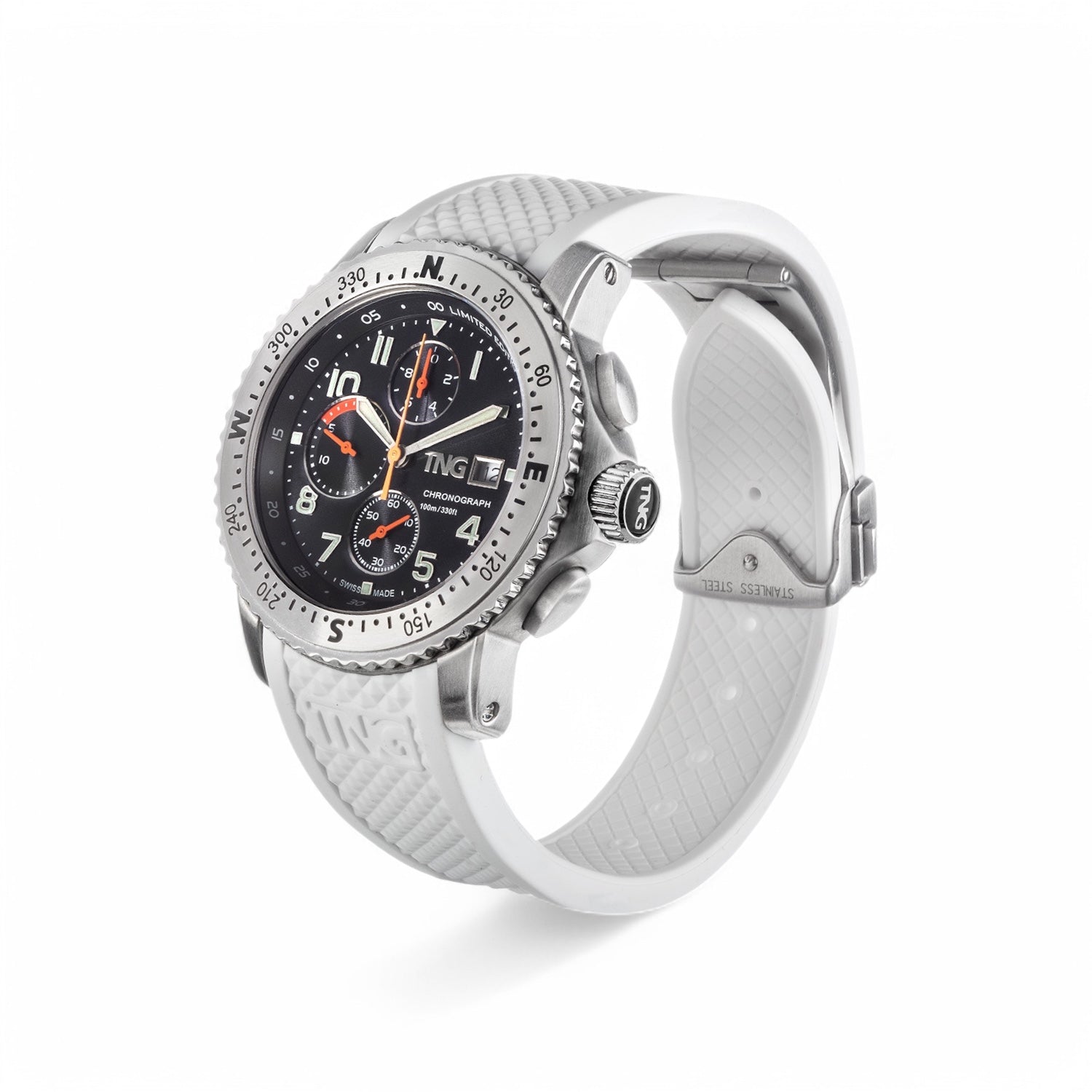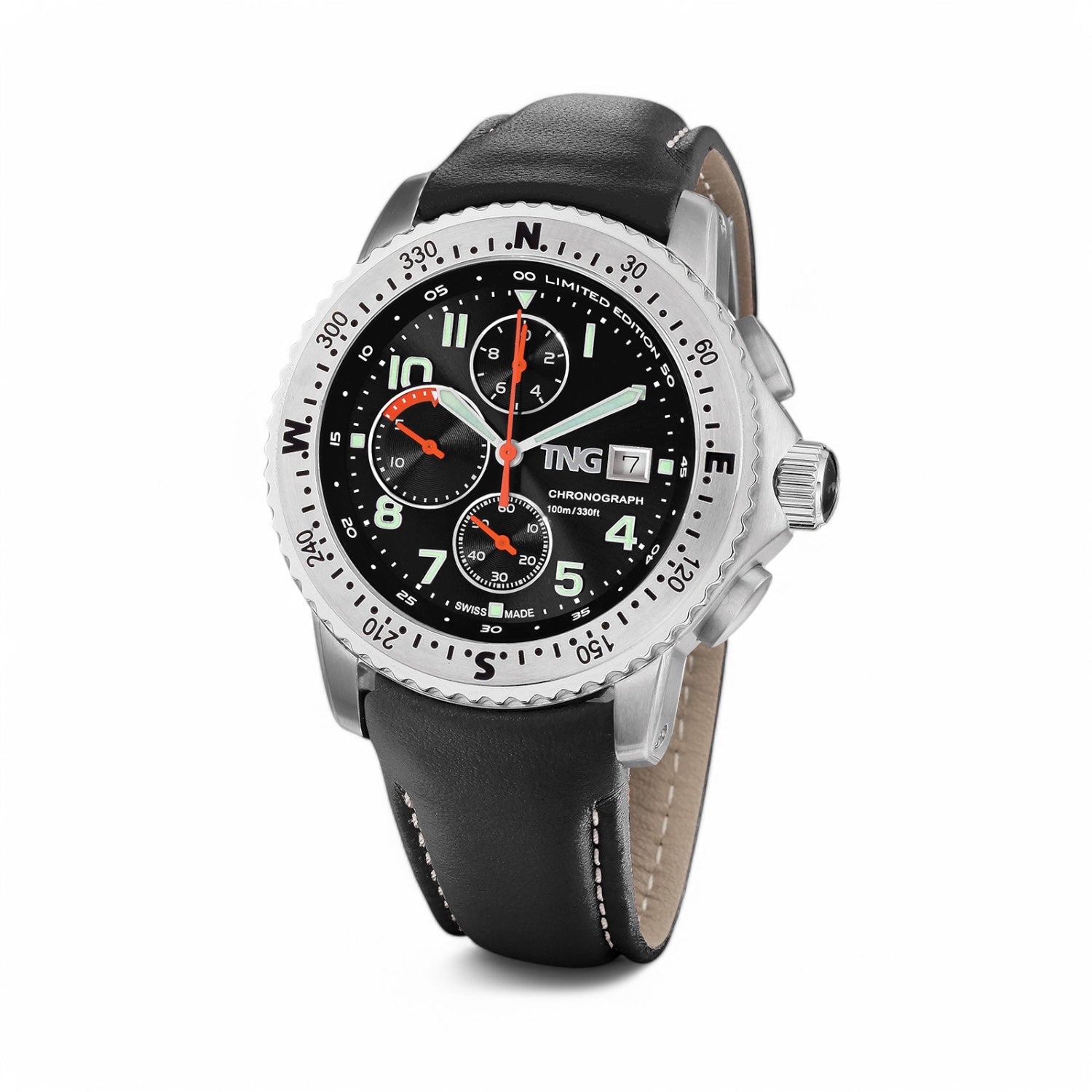

Nautical watches, because you want to rely on time

Watersports watches: made for on the water, not next to it. A watch that can go on the water has different requirements than a watch that stays in the office. It must be and remain waterproof, legible in bright sunlight and rain, and resistant to salt that destroys any normal strap within a season.

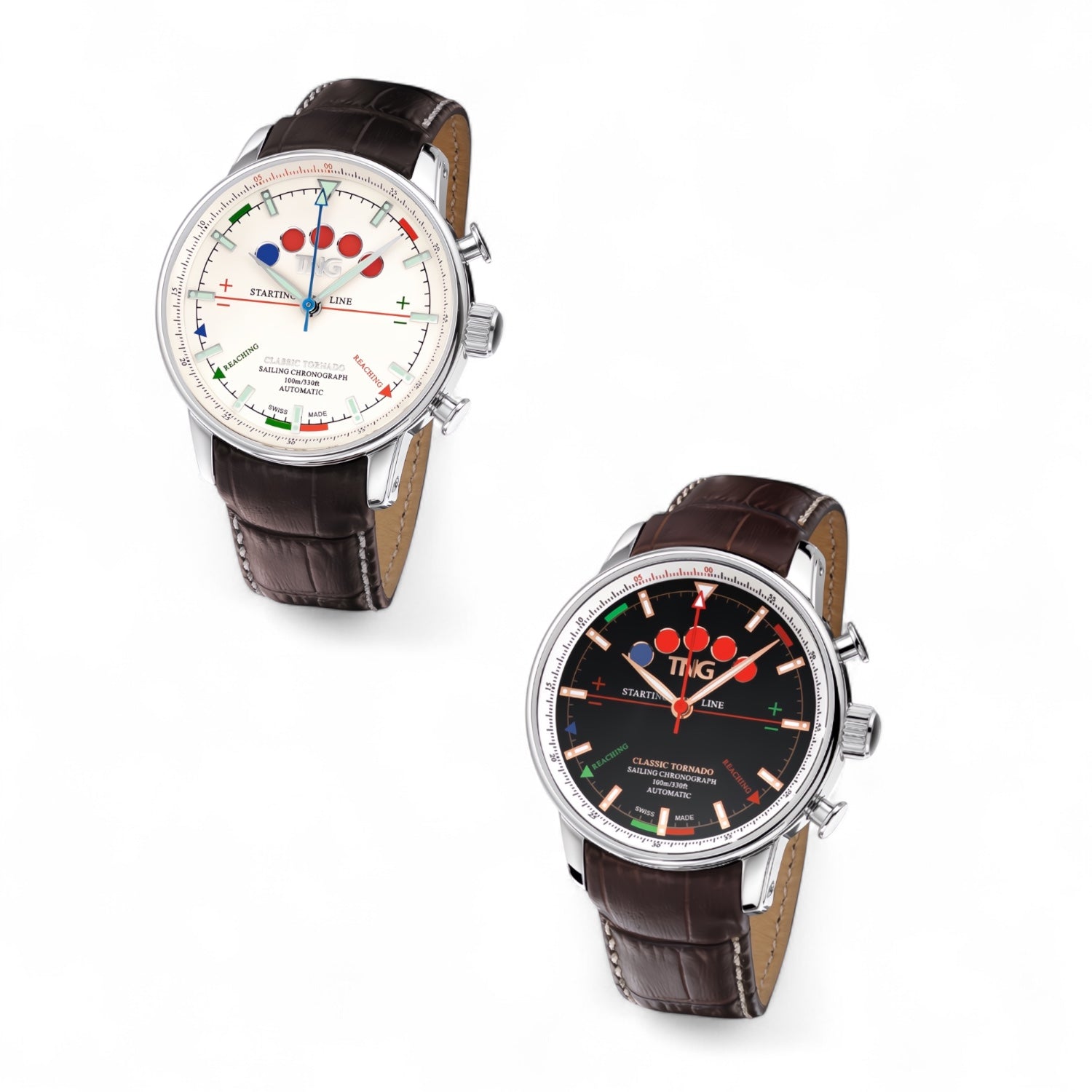
The starting procedure is what it's all about. Anyone who races sailboats knows the ritual: five minutes before the start the warning signal, then four, then one, and then you have to be exactly over the line at zero, not a second earlier, because that will cost you a penalty. A regatta timer counts down those five minutes with audible and tactile signals, and can be synchronized with one press if you just miss the starting signal. This is impossible with a regular stopwatch, and it's why sailors wear a specific watch.

Useful even without a competition. A chronograph to keep track of sailing times, a timer for the cooking watch, and a clearly legible dial when you look at your wrist with wet hands and sunglasses on. What to look for when choosing. Water resistance is indicated in bar or meters: ten bar is enough for sailing and splashing water, twenty bar or more if you dive or have a lot of water coming over. A silicone or rubber strap survives salt water better than leather. And a luminous dial is not a luxury if you are making a night crossing.

From sleek and modern to classic, in various colors and designs, sturdy enough for the water, neat enough to wear ashore. Also check out ship clocks for on board, or binoculars to see the buoy earlier than your competitor.

Colour
The complete table collection
Shop now

Customers also bought from these collections

Frequently asked questions

Our watches are water-resistant, which means they can withstand splashes and are typically resistant up to 100 meters deep/10 bar pressure. For greater depths or prolonged submersion, depending on the specifications, you would need dive watches.

The sports watches we offer are water-resistant. This indicates that the watch is not fully resistant to submersion or prolonged exposure to water. It provides protection against splashes, rain, or light moisture, but is not suitable for prolonged swimming or diving unless otherwise specified.

Therefore, they are perfectly suitable for use in various water conditions, from sailing to other water sports. Of course, they are also very suitable for other outdoor activities where your watch needs to be resistant to water splashes.

Our watches are versatile, and while every watch naturally tells time, some models are equipped with useful functions such as a regatta timer, chronograph, and timer, depending on the model. These functions are essential for water sports enthusiasts to accurately keep track of time while sailing or during sports.

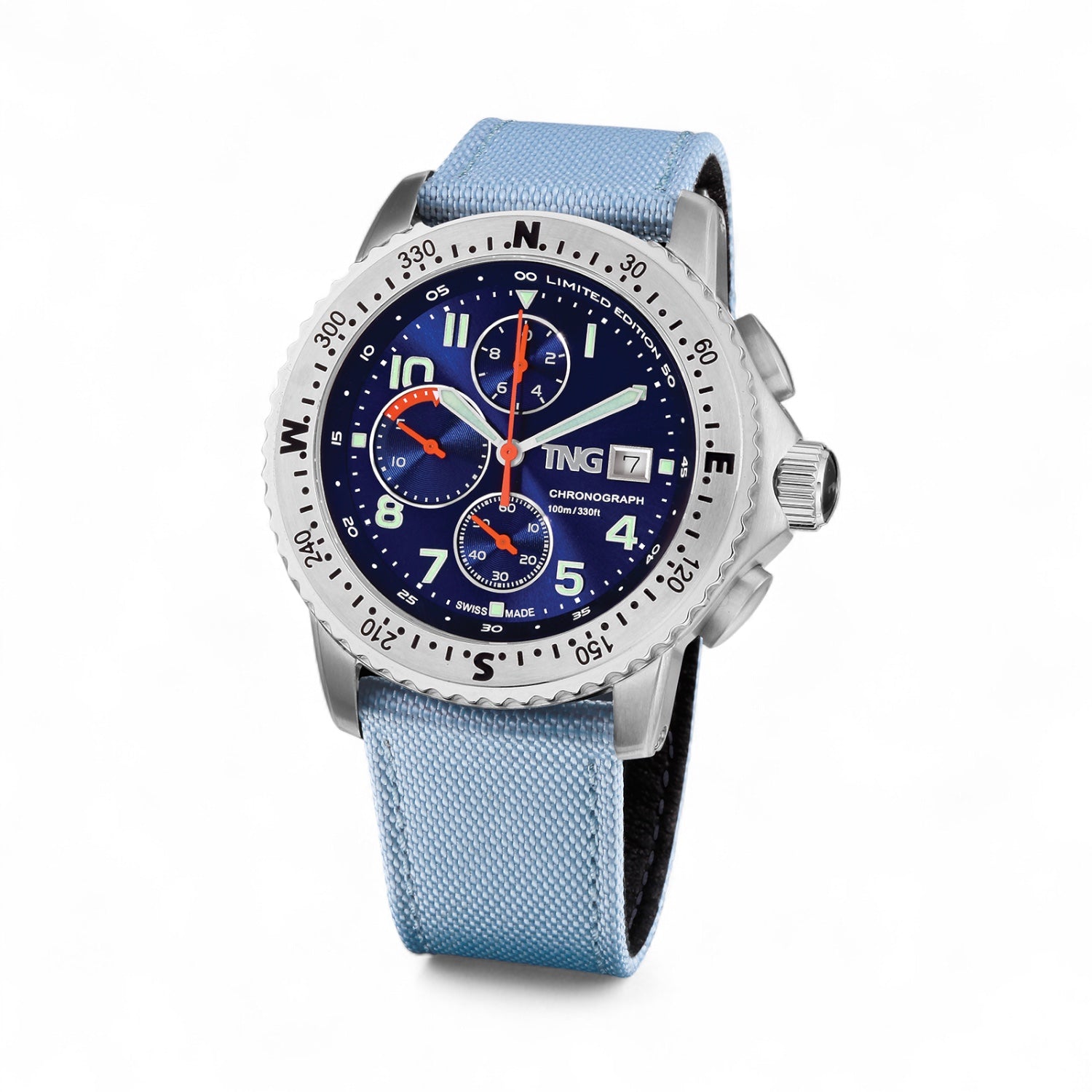
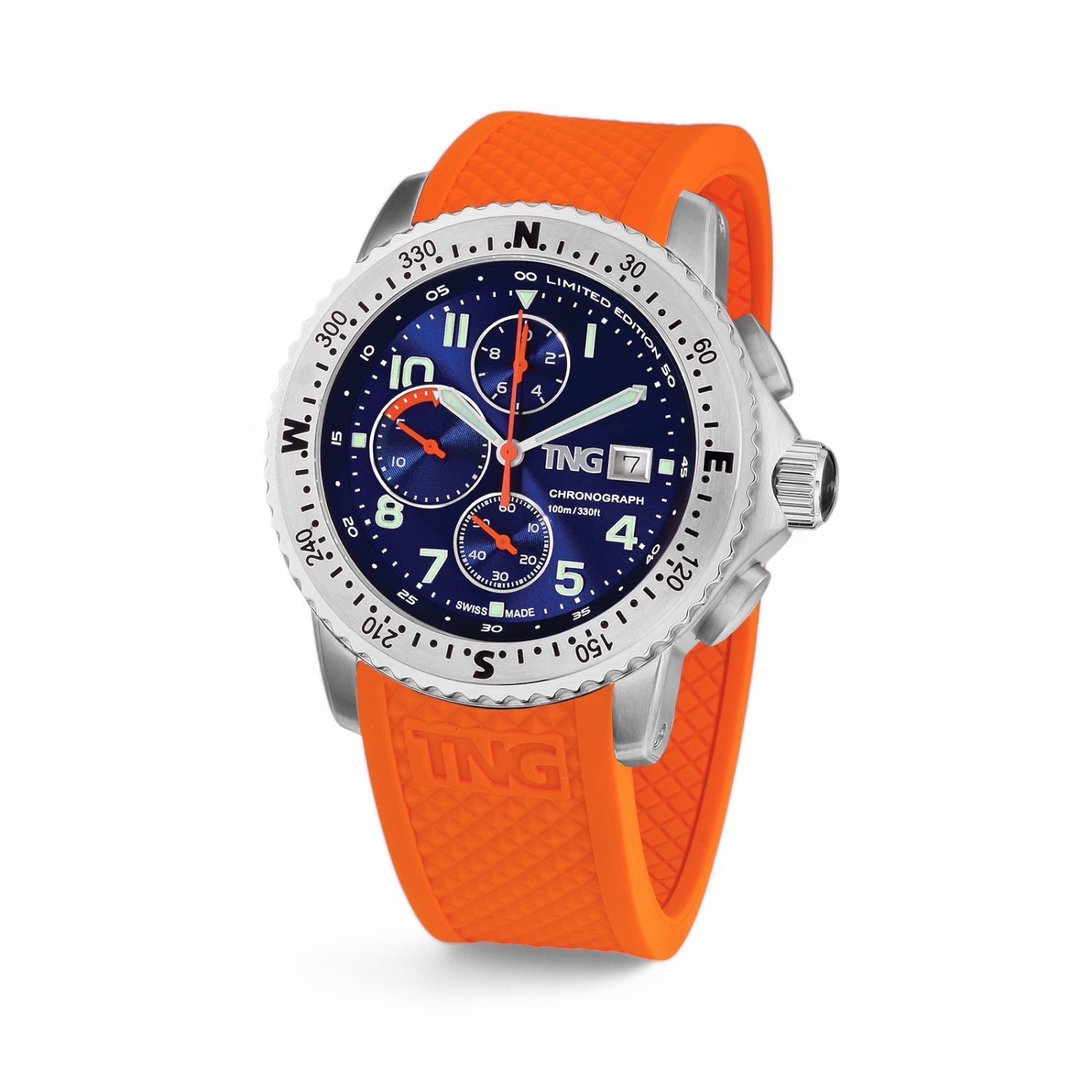
A chronograph is often used in sailing to keep track of time during races, calculate navigation information, and measure specific time intervals. This is reflected on the watch's dial, often with three subdials showing the different time measurements.

With a regatta timer, you can, for example, count down 5 minutes before a race begins, which aids in start preparation.

The timer, or stopwatch function, allows you to measure time intervals during the race, for example, for timing buoys or evaluating the speed and performance of your team or boat.

At Studio Maritime, we offer watches with the function of a chronograph, not a chronometer. This means that our watches are ideal for measuring time intervals, such as in races or other activities. However, in our ship's clocks collection, we do offer chronometers, which meet strict precision standards for exceptional accuracy. We understand that the terminology can sometimes be confusing, but the difference lies in the functionality: chronographs for timing intervals, and chronometers for ultimate precision in timekeeping.

The difference between a chronograph and a chronometer revolves around their functionality and certification:

  • Chronograph: This watch has a built-in stopwatch function, ideal for timing activities such as races and competitions. It has additional buttons to accurately measure time intervals, down to the second or even millisecond.
  • Chronometer: This watch is certified for exceptional precision and meets strict standards, such as those of the Swiss Official Chronometer Testing Institute (COSC). It offers reliable timekeeping, with a deviation of only -4 to +6 seconds per day, even under extreme conditions such as temperature changes. Perfect for applications where accuracy is essential, such as in sailing and aviation.

In essence: a chronograph is perfect for measuring intervals, while a chronometer guarantees the highest precision.

An automatic watch works through the movement of your wrist. The movement you make powers the watch, allowing it to run without a battery. However, automatic watches do require regular maintenance to continue functioning optimally. They are often a larger investment, as the production of these mechanical timepieces is more complex and costly. Automatic watches have a classic appearance and are often seen as status symbols due to their craftsmanship and technical elegance.

A quartz watch, on the other hand, runs on a battery that provides the necessary energy to move the watch's hands. Quartz watches are generally more accurate than automatic watches because they use a quartz crystal that generates a stable frequency. They are reliable, easy to maintain, and ideal for anyone looking for a watch that will continue to work for a long time without needing to reset the time. Quartz watches generally require less maintenance and often have a sportier appearance, with a greater focus on functionality.

Most watersports watches offer excellent readability, even in the brightest sun, so you can always read the time clearly.

Yes, our watches are certainly sustainable, with attention to both quality.

  • Top-quality materials: Our watches are made from the best materials that can withstand the harsh conditions of water sports. They are designed to stand the test of time, both on and off the water, making them sustainable in use.
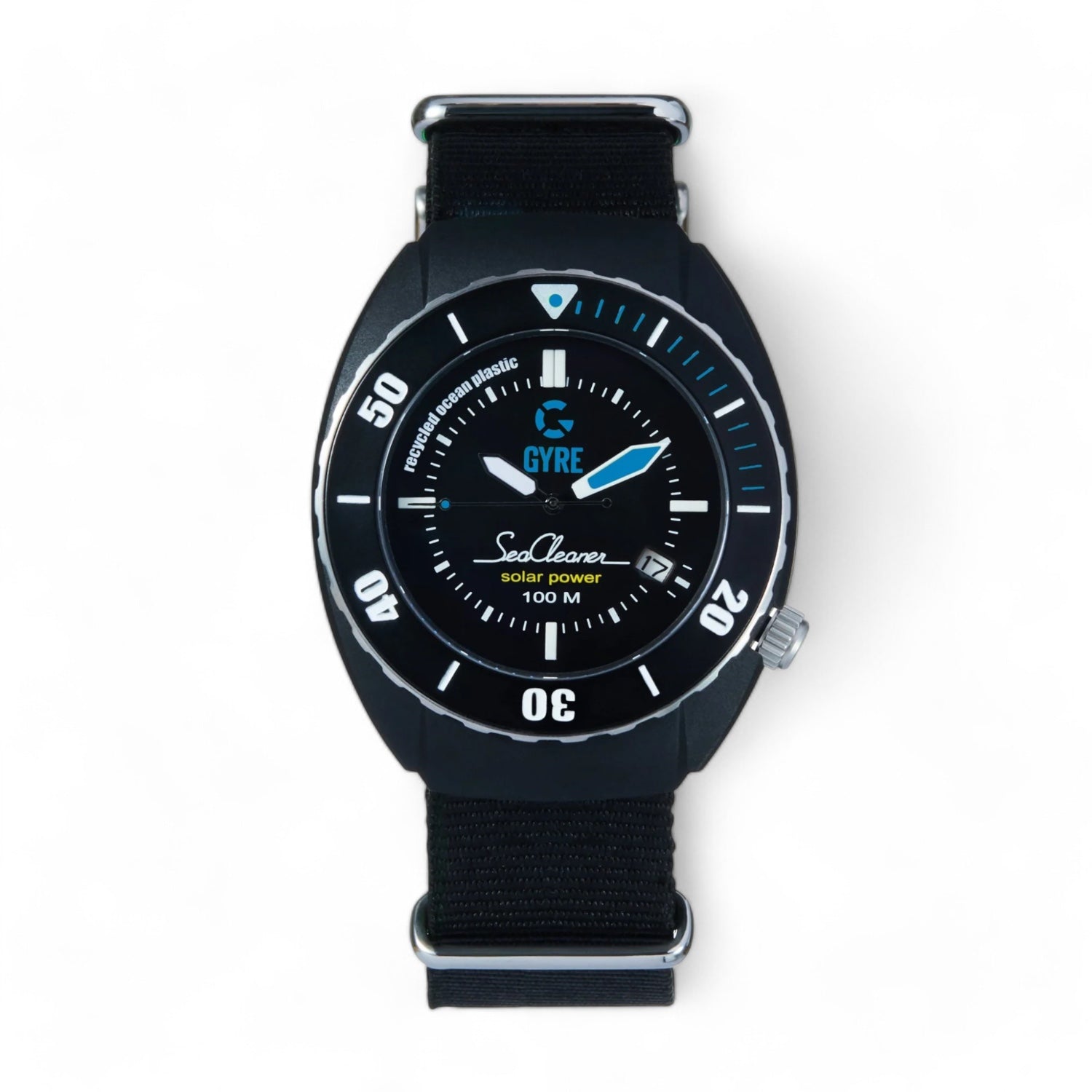
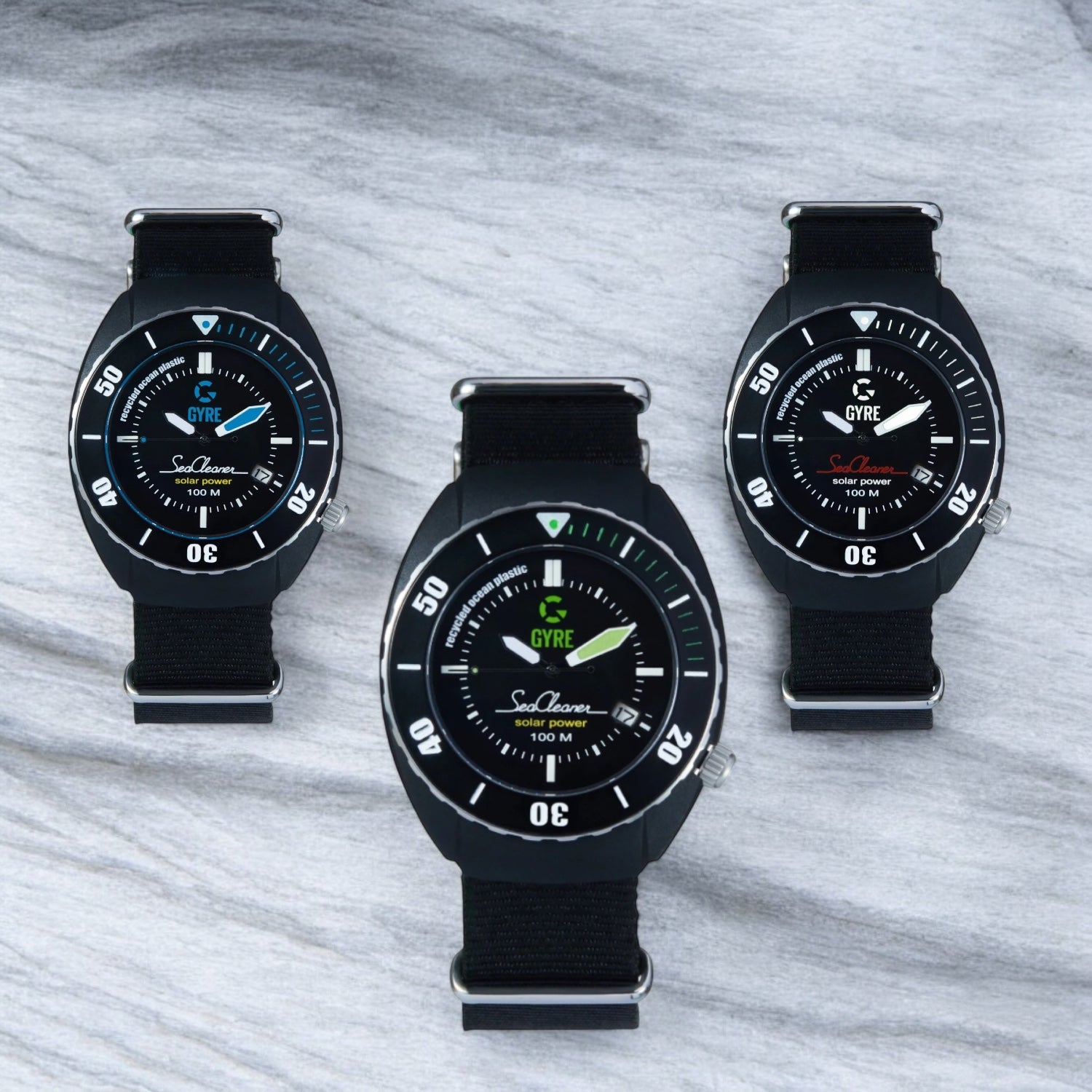
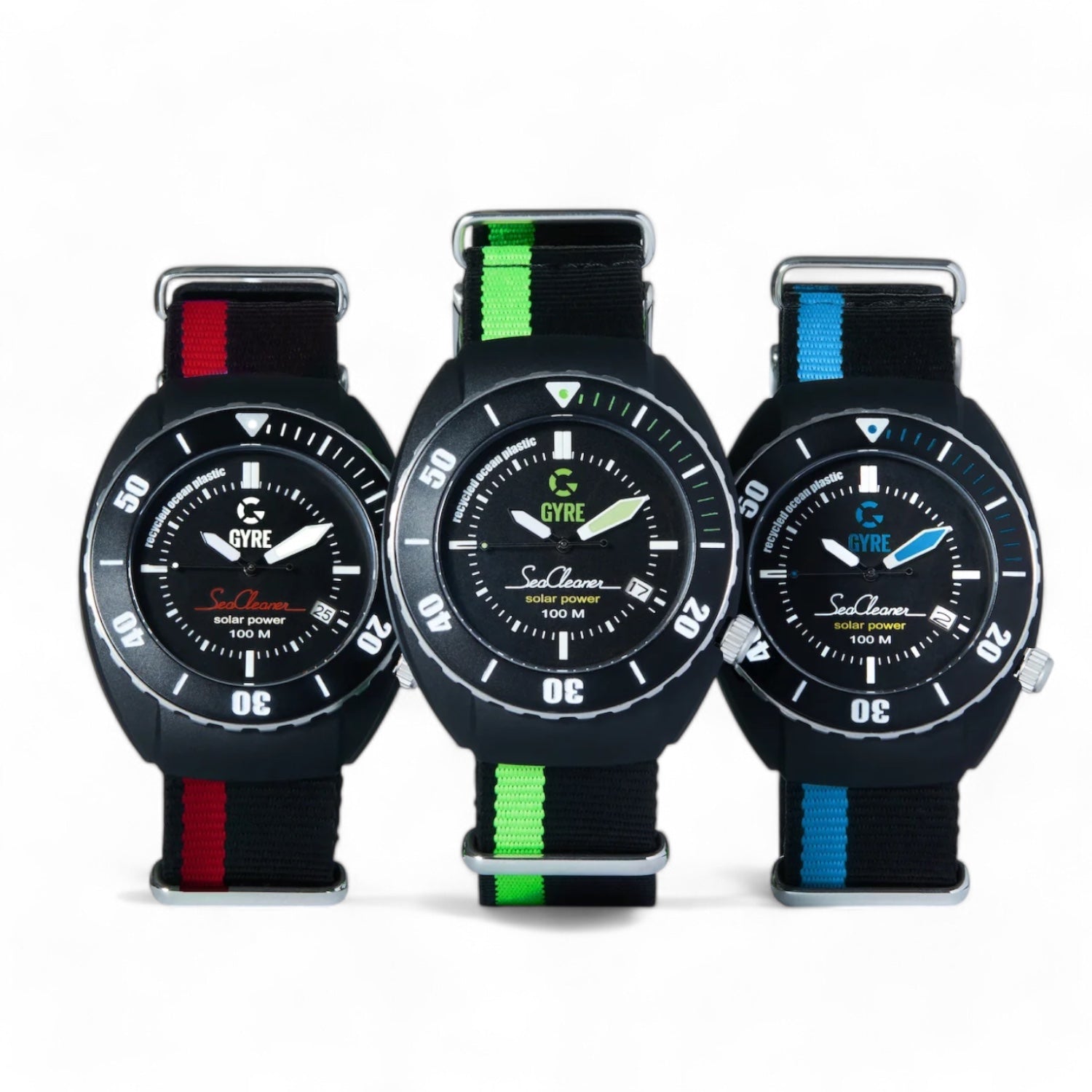
  • Use of recycled materials: Some models, such as the Gyre sportswatch, are made from recycled fishing net material recovered from the ocean. This is a significant step towards a cleaner environment and a sustainable lifestyle.
  • Charging options: The Gyre watches feature innovative Japanese technology where the battery is charged by solar rays. With just three hours of sunlight, the battery gets enough energy for six months of use. Additionally, at TNG, we have automatic watches that charge themselves through the movement of your wrist, so you never have to replace a battery.
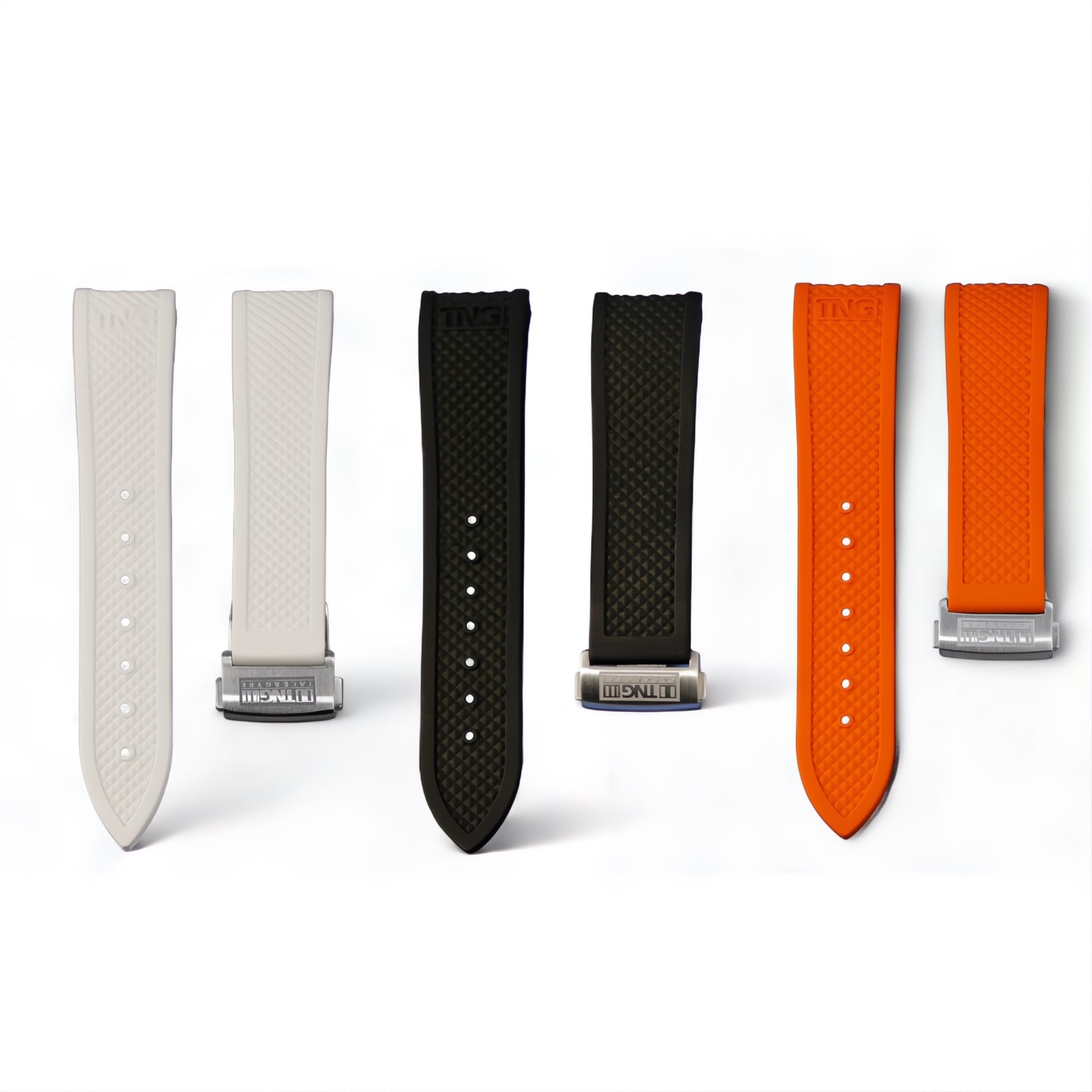
  • Interchangeable straps: We sell individual watch straps, so your watch can get a fresh look without you having to buy an entirely new watch. This helps extend the lifespan of your watch.
  • Durable strap material: Gyre is currently in the final stages of developing a watch strap made entirely from recycled fishing nets. Until then, the strap is made from recycled plastic bottles, which makes the watch even more sustainable.